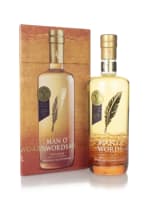
Annandale 2019 Sherry Finish 6 Year Old Gleann Mor Rare Find
0
(0 reviews)
Volume
700ml
ABV
60.4%
Age
6 YO
Retailers
1
Annandale 2019 Sherry Finish 6 Year Old Gleann Mor Rare Find is a Scotch whisky with an ABV of 60.4%. It has been aged for 6 years and features a sherry finish. Annandale Distiller...
This description was partially generated using AI
Compare prices from£63.5to£63.5
Available at 1 Retailers
Best Price
Whisky Exchange
In Stock
Annandale 2019 Sherry Finish 6 Year Old Gleann Mor Rare Find
Customer Reviews
Share your thoughts on Annandale 2019 Sherry Finish 6 Year Old Gleann Mor Rare Find or read reviews from other whisky enthusiasts. Note: CasKompare does not verify product purchases.
0
0 reviews
5
0
4
0
3
0
2
0
1
0
Product Information
Partially AI-generated content
Product Details
NameAnnandale 2019 Sherry Finish 6 Year Old Gleann Mor Rare Find
Annandale 2019 Sherry Finish 6 Year Old Gleann Mor Rare Find is a Scotch whisky with an ABV of 60.4%. It has been aged for 6 years and features a sherry finish. Annandale Distillery is known for its innovative approach to whisky production.
Tasting Notes
Nose
Rich sherry notes with dried fruits, dark chocolate, and a hint of spice.
Palate
Full-bodied with flavors of raisins, toffee, and a touch of oak, complemented by a warming spice.
Finish
Long and warming with lingering notes of dark chocolate and a subtle nuttiness.
Additional Notes
A bold and intense expression showcasing the influence of sherry cask maturation.
Ready to buy?
Compare prices from 1 trusted retailers and find the best deal
About The Brand: Annandale
We were curious to learn why there were so few whiskey distilleries in the South of Scotland right away. At the time (2006–2007), Bladnoch Distillery (located close to Newton Stewart, Wigtownshire), had been shuttered for about 90 years and was in the extremely sad process of going out of business. The only operating whiskey distilleries in the South of Scotland were William Grant's massive grain distillery at Girvan and Diageo's Glenkinchie Distillery to the east of Edinburgh (although neither of these are truly southern in a strictly geographic sense). In the past, the Scottish Borders had been home to two more distilleries, Glen Tarras and Langholm, but both had stopped operating in the early 1900s. When looking for an answer, it becomes clear right away that South West Scotland's environment would have been too wet to support the cultivation of the barley varieties used 100 to 150 years ago. But if not, there would have been plenty of water, peat, and coal, and the wet and warm weather would have been perfect for whiskey maturation. Additionally, Southern Scotland had a developed rail system by the 1890s, which should have made moving finished whiskey out and imported barley into the region quite simple. (Any difficulties faced by South of Scotland distillers must have been insignificant in comparison to those experienced by Islay distillers.) This forced us to the unavoidable conclusion that Southern Scotland could and should create first-rate Single Malt Scotch whiskey, and that there isn't and probably never has been a fundamental reason why it couldn't or shouldn't. There was definitely something to prove!